Debunking Myths About Youth Basketball Training in BC


Understanding the True Nature of Youth Basketball Training
Basketball is one of the most popular sports among young athletes in British Columbia. However, there are several myths surrounding youth basketball training that can mislead parents and players. It's important to address these misconceptions to ensure that young athletes receive the best possible training.
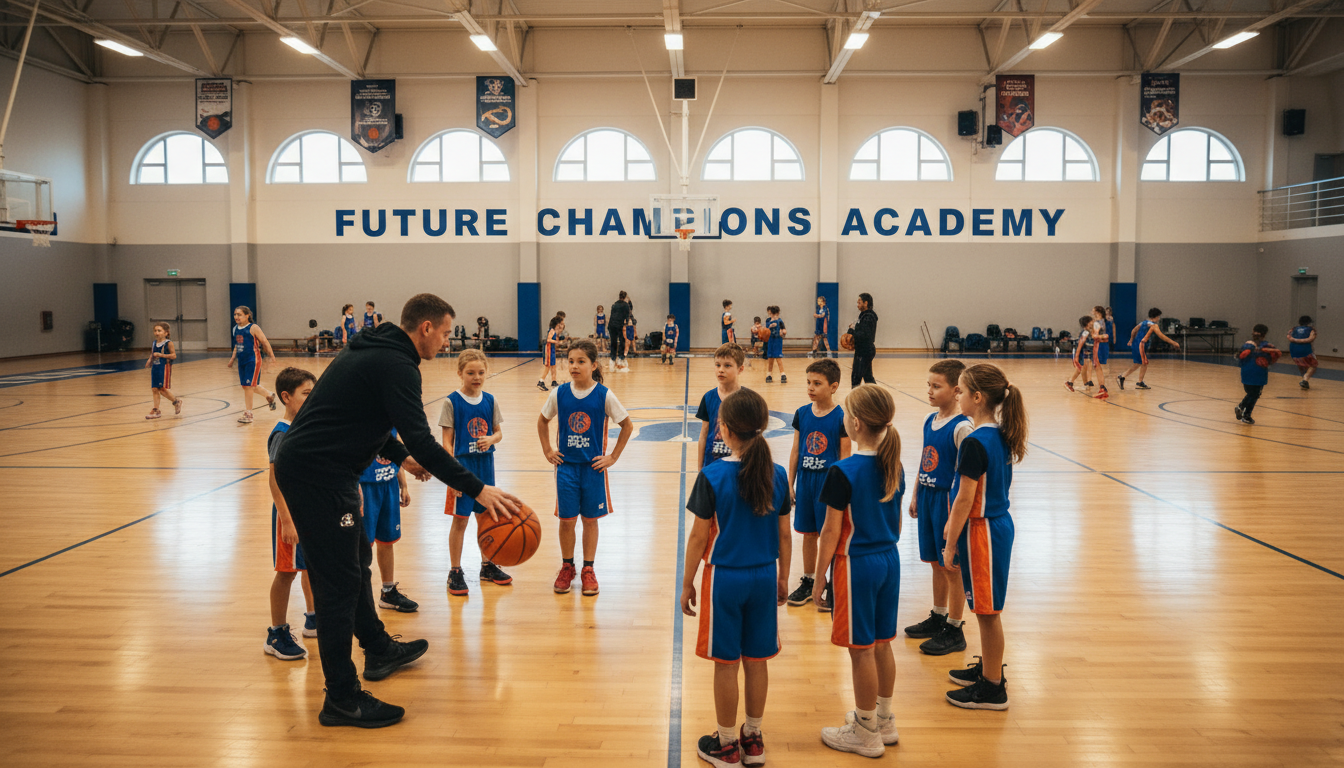
Myth 1: More Training Leads to Better Performance
One common belief is that the more time a child spends in training, the better they will perform. While practice is crucial, overtraining can lead to burnout and injury. Instead, a balanced approach that includes rest and recovery is essential for development. Quality over quantity should be the guiding principle for effective training.
According to experts, focusing on skill development and understanding the game can be more beneficial than simply increasing the number of hours spent on the court. Coaches should emphasize proper technique and strategic thinking alongside physical conditioning.
Myth 2: Only Tall Kids Can Excel in Basketball
Height is often seen as a major advantage in basketball, but it's not the only factor that determines success. Skills such as agility, speed, and game intelligence are equally important. Many renowned players have made their mark despite not being the tallest on the court.

Encouraging young athletes to develop a wide range of skills can help them excel regardless of their height. Coaches should focus on fostering a well-rounded skill set that includes dribbling, shooting, and defensive abilities.
Myth 3: Specialized Training Is Necessary from a Young Age
There's a growing trend towards specializing in a single sport at an early age, but this approach can have drawbacks. Specialization can lead to repetitive stress injuries and diminish a child's enjoyment of the sport. Instead, experts recommend encouraging participation in multiple sports.
- Improves overall athleticism
- Reduces risk of burnout
- Enhances social skills

By engaging in different sports, young athletes can develop a broad range of skills and discover new interests, which can ultimately contribute to their success in basketball.
Myth 4: High-Intensity Workouts Are Always Better
Another misconception is that high-intensity workouts are the most effective way to improve performance. While these workouts have their place, they shouldn't be the sole focus. Young athletes need a well-rounded fitness program that includes strength training, flexibility, and aerobic conditioning.
Coaches should tailor training programs to suit individual needs and ensure that young players are not pushed beyond their limits. A well-structured workout regimen fosters long-term growth and reduces the likelihood of injuries.
Conclusion: Embracing a Balanced Approach
Debunking these myths is crucial for the development of youth basketball players in BC. By understanding the importance of balance in training, focusing on skill development, and encouraging multi-sport participation, young athletes can thrive both on and off the court. Parents, coaches, and players should work together to create an environment that prioritizes health, enjoyment, and long-term success.